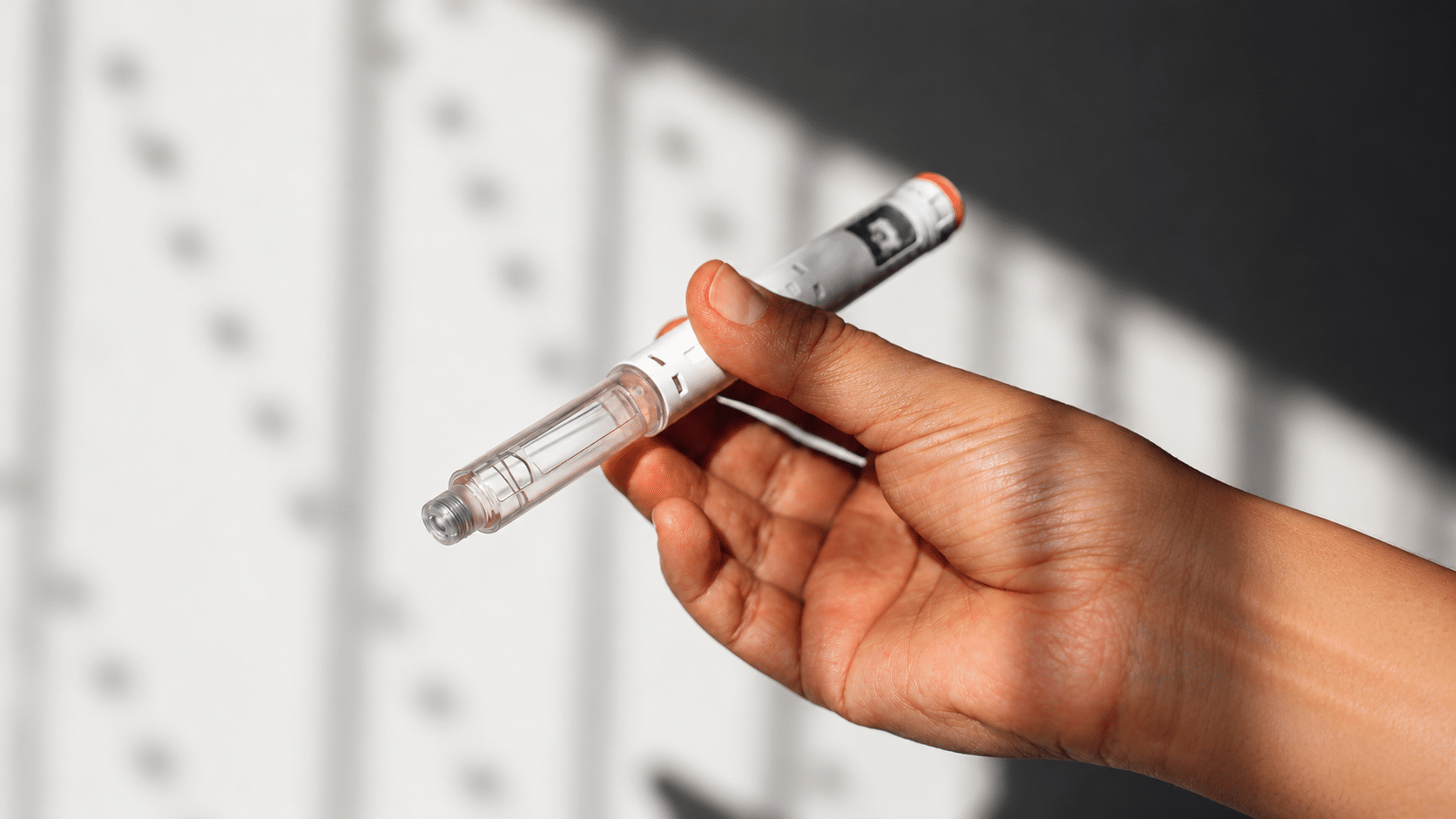
GLP-1 Therapy Medical clarity before, during and after treatment
Clarity, not guesswork—before you decide
GLP-1 medications have transformed the treatment of overweight, obesity and metabolic conditions. Active ingredients such as semaglutide and tirzepatide, available under brand names including Wegovy, Ozempic and Mounjaro, are now central to conversations about weight loss, blood sugar control, appetite regulation and long-term metabolic health. But GLP-1 therapy is no simple shortcut. Nor is it a lifestyle trend. And it should begin with more than a question about an injection. The more important question is: What is your body really telling you before treatment begins?
GLP-1 receptor agonists and related medications influence a complex network of processes: fullness, stomach emptying, insulin response, blood sugar regulation, digestion, appetite and changes in weight over time. That is why a responsible start takes more than a prescription. It calls for a thorough medical assessment, careful screening and ongoing care that looks beyond the weight to the person behind it.

GLP-1 Therapy at a glance
- GLP-1 medications such as semaglutide or tirzepatide can play a role in weight loss, blood sugar regulation and obesity management—but they are no lifestyle trend or simple shortcut.
- Before treatment begins, medical clarity matters: Your medical history, laboratory results, blood sugar, insulin, liver and kidney function, digestion, pancreatic health, cardiovascular function and body composition should be assessed according to your individual needs.
- During treatment, progress means more than weight loss: Tolerability, side effects, muscle mass, protein intake, energy levels and blood sugar all matter, alongside treatment adjustments guided by your doctor.
- Nutrition remains essential: A reduced appetite does not automatically mean better health. Diet quality, gut health, micronutrients and adequate protein intake are especially important.
- Coming off treatment takes planning: After treatment ends, appetite can increase, weight may return and old habits can resurface. A plan for lasting stability should include physical activity, nutrition and ongoing medical follow-up.
What is GLP-1? Potential signs at a glance
GLP-1 stands for “glucagon-like peptide-1”, a naturally occurring hormone involved in regulating blood sugar, insulin, appetite and fullness (Nauck & Meier, 2025, The Lancet). Modern GLP-1 medications mimic its effects or enhance related metabolic processes. Semaglutide belongs to a class of medicines called GLP-1 receptor agonists. Tirzepatide also acts on the GIP receptor, which is why it is often described as a dual GIP/GLP-1 receptor agonist. Many people associate these medications primarily with weight loss. From a medical perspective, however, that is only part of the picture. GLP-1 therapy can significantly influence metabolism. It can reduce appetite, change feelings of fullness, lower calorie intake and help improve blood sugar control in certain patients.
That is why treatment should begin with an assessment of whether it is right for your individual circumstances. Excess weight does not always have the same underlying causes. Weight loss is not automatically healthy. And the same dose, pace of treatment or nutritional approach will not suit everyone. Understanding your body helps you make better decisions.
Before Starting Treatment: Which Assessments May Be Helpful
1. Physical Examination and Medical History
It starts with a conversation. We explore your weight history, BMI, waist circumference, previous diets, eating habits, medications, medical history, family risk factors, sleep, stress, digestion and energy levels. We also assess whether you have existing conditions such as type 2 diabetes, insulin resistance, high blood pressure, fatty liver disease, abnormal cholesterol or triglyceride levels, sleep apnoea or cardiovascular disease. These factors help determine whether GLP-1 treatment is appropriate for you and how closely it should be monitored.
2. Blood Tests and Metabolic Assessment
Blood tests provide valuable insight before treatment begins. Depending on your individual circumstances, relevant tests may include:
- Fasting blood glucose, HbA1c and insulin to assess blood sugar regulation and insulin resistance
- Liver and kidney function tests, alongside markers of inflammation
- Blood lipids, including LDL and HDL cholesterol, triglycerides and total cholesterol
- Thyroid function tests, where indicated by symptoms or medical history
- Electrolytes, iron status, vitamin B12, vitamin D and other micronutrients
- Uric acid and other markers of metabolic risk
These results help assess whether treatment may be appropriate. They also provide a baseline for understanding and evaluating changes during treatment.
3. Digestion, Stomach and Gut Health
GLP-1 medications also affect the gastrointestinal tract (Müller et al., 2019, Molecular Metabolism). Common side effects can include nausea, feelings of fullness, constipation, diarrhoea, vomiting, abdominal pain or acid reflux. A careful assessment is particularly important for people with sensitive digestion, irritable bowel syndrome, persistent stomach problems or a history of gastrointestinal conditions.
The gut does more than digest food. It is closely connected to metabolism, immune function, inflammation, energy levels and mental resilience. That is why GLP-1 therapy goes beyond appetite control. It touches the foundations of how you feel and function.
4. Pancreas, Gallbladder and Risk Factors
Before treatment begins, your doctor should assess any potential risk factors. These include a history of pancreatitis, gallstones, gallbladder disease, severe abdominal symptoms or certain conditions that run in your family. Potential interactions with your current medications should also be reviewed. GLP-1 therapy calls for medical expertise at every stage—from the initial prescription to ongoing monitoring and care.
5. Muscle Mass, Body Composition and Physical Performance
Weight loss does not automatically mean better health. What matters is what your body loses: fat, water or valuable muscle tissue. Responsible care should therefore look beyond the number on the scales. Body composition, muscle mass, strength, protein intake, physical activity, fitness and energy levels all matter. Especially when weight loss is rapid, it is important to minimise muscle loss and provide your body with enough protein, micronutrients and energy. Feeling more energised takes more than losing weight. It starts with a better understanding of your metabolism—and the right support.

During GLP-1 Therapy: Why Ongoing Support Matters
Many people start GLP-1 therapy with a clear goal: to lose weight, manage their appetite, improve blood sugar control or finally break a long cycle of unsuccessful diets. Yet the first few weeks often reveal that treatment involves more than the first injection. It also means adapting everyday life. Appetite changes. Portions become smaller. Some foods may become harder to tolerate. Nausea, constipation or stomach discomfort can occur. At the same time, there is a risk of getting too little protein, fibre, fluid or essential micronutrients.
Good medical care therefore looks beyond dose and weight to the full picture:
- How is your appetite changing?
- Are you experiencing side effects such as nausea, diarrhoea, constipation or vomiting?
- Are your energy levels and physical performance staying steady?
- Are you getting enough protein?
- How are your blood pressure, blood glucose, HbA1c and lipid levels changing?
- Is your muscle mass being preserved?
- Is the dose appropriate for your individual progress?
- Are there any warning signs that need medical assessment?
This is where weight loss becomes part of a broader, medically guided change.

Nutrition During GLP-1 Therapy: Eating Less Is Only Part of the Picture
GLP-1 medications can reduce hunger (Blundell et al., 2017, Diabetes, Obesity and Metabolism). While this can be helpful, it can also mean eating too little overall or missing out on essential nutrients.
Nutritional support during treatment should therefore focus on structure rather than restriction. What matters is how well you tolerate food, alongside adequate protein, fluids, fibre and micronutrients—and support for gut health that helps your body rather than adding to its burden.
Helpful approaches may include:
- Protein-rich meals to help preserve muscle mass
- Well-tolerated, fibre-rich foods to support gut health and fullness
- Adequate fluid intake, particularly when experiencing constipation or nausea
- Eating slowly and choosing portion sizes mindfully
- Individual adjustments for acid reflux, uncomfortable fullness or stomach discomfort
- Regular checks of micronutrient levels when food intake is substantially reduced
At the birthplace of Mayr Medicine, nutrition is understood as more than a short-term diet. It is part of a broader understanding: How does your body process food? What puts it under strain? What supports it? And which habits will remain sustainable when treatment ends?
When Side Effects Occur: Understand Them, Don’t Ignore Them
Side effects are not uncommon during GLP-1 therapy. Many affect the digestive system: nausea, vomiting, diarrhoea, constipation, abdominal pain, uncomfortable fullness or loss of appetite. In some cases, a slower increase in dose, dietary adjustments, adequate fluids, a structured meal routine or medical review can help. However, not every symptom is harmless. Severe or persistent abdominal pain, repeated vomiting, signs of dehydration, unusual weakness, visual disturbances, severe digestive problems or upper abdominal discomfort should be medically assessed. When your body sends a signal, you need clarity and guidance.
For Those Already Receiving Treatment
Many people seek clarity once GLP-1 treatment is already underway. Their weight is changing and their appetite has decreased, but new questions arise:
- Is my current dose right for me?
- Why has my weight loss stalled?
- How can I preserve muscle mass?
- What should I eat when I barely feel hungry?
- Which blood tests should be monitored?
- How can I manage nausea, constipation or diarrhoea?
- What happens if I want to stop the injections?
- How can I prevent weight regain?
Medical guidance can help put medication into a broader context. Alongside dose, weight and side effects, it considers the full picture of your metabolic health: nutrition, movement, sleep, stress, digestion, blood sugar, body composition and sustainable habits.
The goal is to help you understand your options and take an informed, active role in your care.

Coming Off GLP-1 Treatment: Why Planning the Transition Matters
Many people only begin to think about life after GLP-1 therapy late in their treatment. Yet this is a crucial stage. As appetite and hunger return, old habits resurface, or muscle lost during weight loss affects the body, weight can begin to rise again.
Planning ahead can help make this transition more manageable. There is no single approach for everyone. Instead, it involves addressing practical and medical questions:
- How has your body composition changed?
- How stable are your blood sugar, insulin, HbA1c and blood pressure?
- Have you established new habits around nutrition, movement and sleep?
- Have you retained enough muscle mass?
- How well can your metabolism function without medication?
- Which warning signs might suggest a return to old patterns?
- Which medical checks would be useful after stopping treatment?
Coming off treatment is a transition, not simply an endpoint. How this phase is managed can play an important role in turning weight loss into lasting health.
GLP-1 and Longevity: Medical Insight Beyond the Hype
GLP-1 medications are sometimes portrayed as a biohacking tool. Rapid weight loss, reduced appetite, better health markers—it can sound like a simple route to optimisation. But the body is more complex than that.
Longevity means more than losing weight quickly. It means understanding your body so you can make better decisions—for your energy, physical performance, metabolic health, mobility, mental clarity and the decade ahead.
For some people, GLP-1 therapy can be a medically appropriate part of that approach. It does not replace the foundations: diagnostic assessment, nutrition, strength training, physical activity, sleep, stress management, gut health and ongoing medical care.
The injection changes your appetite. But it does not explain why your body fell out of balance.
How Medical Support at the Original Mayr Medical Resort Can Help
At the Original Mayr Medical Resort, GLP-1 Medical Support & Guidance is about understanding your body and making informed decisions, grounded in thorough diagnostic assessment. Whether you are considering treatment, continuing it or planning to stop, this understanding comes first.
Depending on your individual circumstances, this support may be valuable if you:
- Want to understand whether GLP-1 therapy is medically appropriate for you
- Are already taking semaglutide, tirzepatide or another GLP-1 medication
- Want a clearer understanding of side effects and what they mean for you
- Would like a structured approach to nutrition during treatment
- Want to preserve muscle mass and physical performance
- Would like to monitor your blood results, metabolic markers and body composition
- Are considering stopping or pausing treatment
- Want to establish sustainable habits after weight loss
The value lies in bringing everything together: medical diagnostics, clinical experience, gut health, nutrition, movement, a private setting and personalised guidance.

The Most Important Decision Comes Before Treatment Begins
GLP-1 medications can bring significant change. But the key question goes beyond whether treatment is an option. It is whether that treatment is understood, carefully guided and considered within the context of your long-term health. Before treatment, you need clarity. During treatment, monitoring and adjustments. When coming off treatment, a plan. Better health begins with understanding what your body is telling you. And sometimes, the most important step begins with a question: What is your body really telling you?

FAQ: Frequently Asked Questions About GLP-1 Therapy
No. Whether GLP-1 therapy is appropriate for you depends on several factors, including your BMI, associated health conditions, metabolic markers, medical history, current medications, risk factors, treatment goals and your doctor’s assessment. A thorough medical assessment before treatment is therefore essential.
Commonly relevant tests include fasting blood glucose, HbA1c, insulin, liver and kidney function, blood lipids and markers of inflammation. Depending on your individual circumstances, thyroid function, micronutrient levels or other metabolic markers may also be assessed. Your doctor should determine which tests are appropriate for you.
Common side effects include nausea, uncomfortable fullness, constipation, diarrhoea, vomiting, abdominal pain or loss of appetite. Severe or persistent symptoms should be assessed by a doctor.
Weight loss can involve losing muscle as well as fat. This can affect physical performance, resting metabolic rate, stability and long-term weight management. Adequate protein intake, strength training and monitoring body composition are therefore important parts of responsible care.
After stopping treatment, appetite and hunger can increase, potentially leading to weight regain (Wilding et al., 2022, Diabetes, Obesity and Metabolism). Planning ahead is therefore important—with nutrition, physical activity, blood tests, sustainable habits and a clear strategy for long-term weight stability.
No. GLP-1 medications can influence appetite and fullness, but they do not replace a sustainable, balanced diet, physical activity, diagnostic assessment or ongoing medical care. When you eat less, the nutritional quality of your food becomes especially important.
References
- Nauck, M. A., & Meier, J. J. (2006). The incretin system: glucagon-like peptide-1 receptor agonists and dipeptidyl peptidase-4 inhibitors in type 2 diabetes. The Lancet. View reference
- Müller, T. D., et al. (2019). Glucagon-like peptide 1 receptor agonists and mechanisms of weight loss. Molecular Metabolism. View reference
- Blundell, J., et al. (2017). Effects of once-weekly semaglutide on appetite, energy intake, control of eating, food preference and body weight in subjects with obesity. Diabetes, Obesity and Metabolism. View reference
- Wilding, J. P. H., et al. (2022). Weight regain and cardiometabolic effects after withdrawal of semaglutide: The STEP 1 trial extension. Diabetes, Obesity and Metabolism. View reference