Healthy Eating for Gut Health: How Wellbeing Begins Within
The Essentials of Healthy Eating for Gut Health
- Healthy eating for gut health begins with understanding – not restriction or rigid rules.
- Fibre is essential: vegetables, whole grains, pulses, fruit, linseeds and other plant-based foods support bowel function, the gut microbiome and healthy digestion.
- Variety supports the microbiome: a diverse diet based on high-quality, minimally processed foods is key.
- Routines are just as important as food: eating slowly and chewing thoroughly, having regular meals, drinking enough fluids and reducing stress can all help support the digestive system.
- When symptoms occur, clarity is essential: nutrition can provide valuable support, but it is no substitute for medical assessment. Diagnostics turn assumptions into informed decisions.
Why the Gut Is So Important
The gut is far more than a digestive organ. As a central part of the digestive tract, it is closely connected to metabolism, the immune system, energy balance and the microbiome. A large proportion of the nutrients from food are absorbed in the small intestine. Indigestible components then pass into the large intestine, where some are processed by the microorganisms that live there. This gut flora forms part of the complex ecosystem within the digestive tract.
Trillions of bacteria live in the gut and perform important functions: they support digestion, influence bowel function, help the body utilise certain nutrients and interact closely with the immune system. The composition of the gut flora can also play an important role. When this delicate system becomes unbalanced, it can manifest in different ways, including a feeling of fullness, bloating, irregular digestion, fatigue or a decline in overall wellbeing. Nutrition also often plays an important role in gastrointestinal conditions – not as a solution in itself, but as part of a broader picture that requires medical assessment.
This is precisely why gut health is not a secondary consideration at Original Mayr Medical Resort, but a foundation. The gut is understood as a starting point for performance, prevention, metabolic health and medically guided longevity. A healthy diet for the gut therefore goes beyond simply asking, ‘What is healthy?’ It asks more precisely: What supports my body? What places a strain on it? What connections can be identified? And which routines can support long-term health?
Fibre: Nourishment for a Healthy, Active Gut
Fibre is one of the most important foundations of a healthy diet for the gut. It consists of plant-based components of food that are not, or not fully, digested in the small intestine and therefore pass into the large intestine.
There, fibre can promote bowel function, support regular digestion and increase stool bulk. Certain types of fibre also provide nourishment for gut bacteria and can therefore support the gut microbiome. During fermentation, short-chain fatty acids are produced, among other compounds, which play an important role in the intestinal lining and the gut environment (Makki et al., 2018, Cell Host & Microbe).
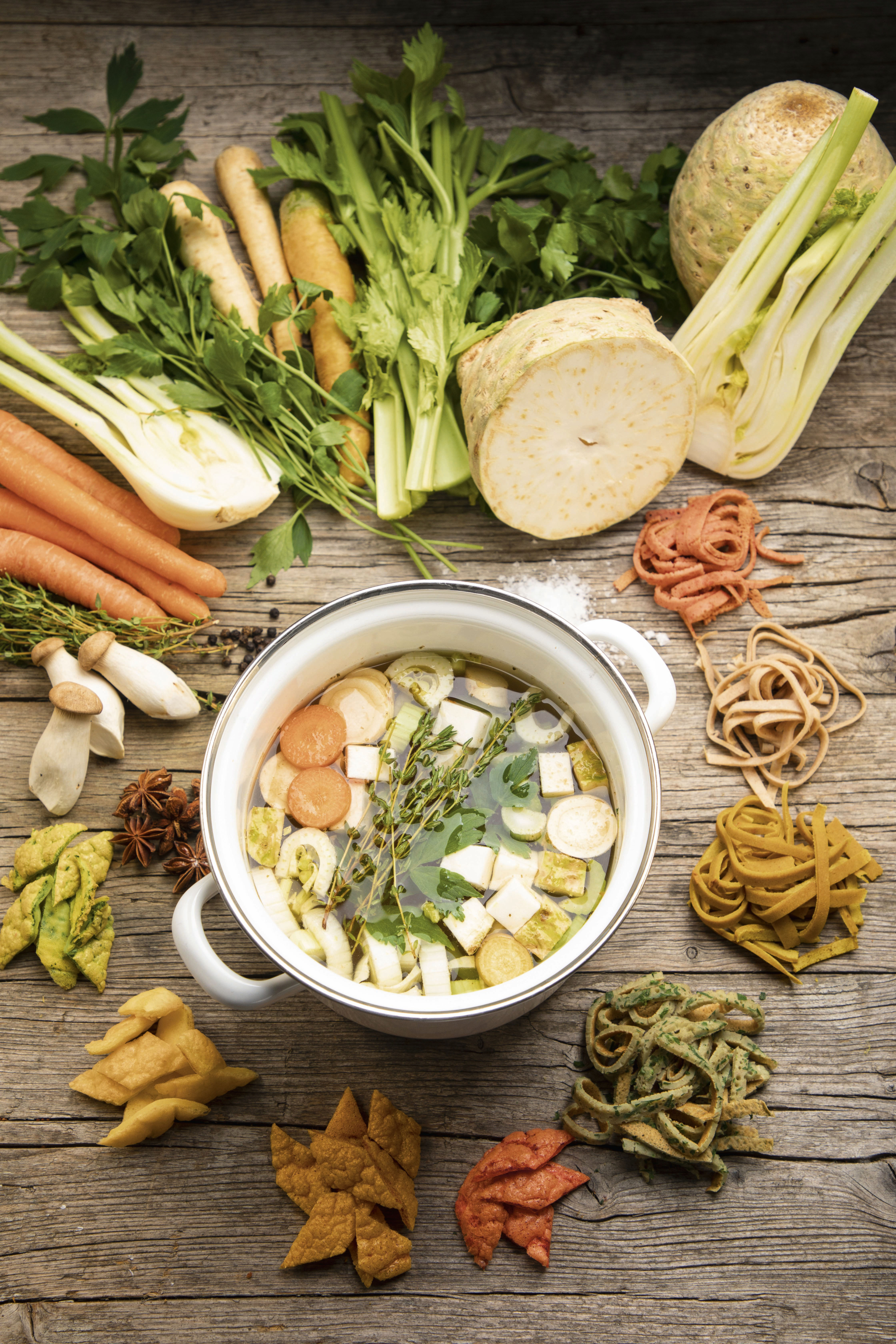
Good sources of fibre include vegetables, pulses, fruit and wholegrain foods. Leeks, onions, oats, lentils, beans, carrots, fennel, berries, linseeds, chicory and Jerusalem artichokes can also be valuable additions to a gut-friendly diet.
Some fermentable fibres are referred to as prebiotics. They can serve as a food source for certain gut bacteria and thereby influence the composition of the gut microbiome. For those with a sensitive digestive system, chicory and Jerusalem artichokes in particular should initially be introduced in small amounts.
In practical terms, this means: do not begin with complicated rules. Begin by adding more substance to your plate. More vegetables. More wholegrains. More pulses. More variety. A varied diet can help incorporate these foods regularly and in amounts that suit individual tolerance. The gut does not benefit from perfection, but from a consistent supply of high-quality foods.
Foods that can form part of a gut-friendly diet include:
- Oats, wholegrain bread, brown rice or buckwheat
- Lentils, beans and chickpeas
- Carrots, fennel, broccoli, courgettes, leeks and leafy vegetables
- Apples, berries, pears or kiwis
- Nuts, seeds, kernels and ground linseeds in moderate amounts
- Chicory and Jerusalem artichokes as potential sources of prebiotic dietary components – depending on individual tolerance
It is important to increase fibre intake gradually. A sudden change in diet can exacerbate bloating, abdominal pressure or digestive discomfort. The gut needs time to adapt, rather than being overwhelmed.
Fibre sources with a particularly high capacity to absorb water, such as linseeds, should be consumed with sufficient fluids. The amount and method of consumption should be adapted to individual tolerance and health status.

Variety Supports the Microbiome
The microbiome thrives on diversity. The more varied the diet, the broader the range of nutrients, plant compounds and fibre that generally reaches the gut. A diverse diet can help provide the gut microbiota with a variety of nutritional sources (McDonald, D. et al. / The American Gut Consortium (2018): “American Gut: an Open Platform for Citizen Science Microbiome Research.” mSystems).
A healthy diet for the gut should therefore not be defined by restriction, but by intelligent choices. The composition of our diet can influence which microorganisms encounter favourable conditions within the digestive tract and which gut bacteria are particularly well able to thrive.
This is not about idealising individual ‘superfoods’. What matters is the overall pattern: plenty of plant-based foods, sufficient fibre, high-quality sources of protein, healthy fats, and a considered approach to sugar, alcohol, consistently high fat intake and highly processed foods.
Convenience and highly processed foods, in particular, often contain high levels of sugar, salt, additives and lower-quality fats. Consuming them regularly can make the diet less varied and place an unnecessary burden on the gut. While individual foods do not necessarily need to be considered problematic in isolation, it is the recurring pattern that matters. The gut responds to routines.
Fermented Foods and Probiotics: Beneficial, but Individual
Natural yoghurt, kefir, sauerkraut, kimchi, kombucha and fermented vegetables can complement a gut-friendly diet. Depending on the product, they may contain lactic acid bacteria and metabolites that can be relevant to the microbiome and gut flora – as highlighted, among others, in a scientific consensus paper on fermented foods by Marco et al. (2021).
However, fermented and probiotic foods are not necessarily the same. Probiotics are defined as live microorganisms that, when consumed in adequate amounts, may confer a health benefit. Whether a food actually has probiotic properties depends on factors including the microorganisms it contains, their quantity and viability, and how the product has been processed.
Probiotic supplements are not universally suitable for everyone either. Their potential effects can depend on the specific bacterial strain, dosage, intended purpose and individual health status. The same applies to kombucha, whose composition can vary depending on how it is produced.
Not every fermented food is suitable for every individual. Those who are sensitive to histamine, experience symptoms of irritable bowel syndrome or have certain food intolerances should approach fermented foods and probiotics with careful consideration of their individual needs.
Gut health is not achieved by indiscriminately consuming individual foods. It develops through observation, medical assessment and routines that are tailored to the individual body.
The Gut and the Immune System
A significant proportion of immune activity is closely linked to the gut. The intestinal lining forms an important barrier between the external environment and the inside of the body. It helps absorb nutrients while also protecting against unwanted substances and pathogens – as highlighted, among others, in a review by Wang et al. (2019) examining the close relationship between the gut microbiota, microbial metabolites and intestinal immunity.
A healthy diet for the gut can help support the normal functioning of this system. This includes sufficient fibre, a diverse range of plant-based foods, an adequate supply of micronutrients and a considered approach to foods that may place additional strain on the body. A balanced gut microbiome is part of a complex interplay and cannot be achieved through any single food alone.
The aim is not control at all costs. It is about gaining clarity: understanding what supports your body, what challenges it and which choices can contribute to long-term health.


Prävention beginnt, bevor Beschwerden eindeutig werden
Gut health also plays an important role in prevention. Diet, physical activity, body weight, alcohol consumption, smoking and genetic factors can all influence the risk of colorectal cancer (Chu, A. H. Y. et al., 2025, The American Journal of Clinical Nutrition).
A fibre-rich diet, a healthy lifestyle and regular screening can all play an important role in prevention. What matters is that nutrition does not replace medical screening. It can provide guidance, support the body and form part of a health-conscious lifestyle – but it is no substitute for medical assessment.
Anyone experiencing symptoms, with a family history of colorectal cancer or who has concerns about their health should seek medical advice. In particular, blood in the stool, unexplained weight loss, persistent pain or significant changes in bowel habits should always be medically assessed.
Prevention does not begin with fear. It begins with awareness, knowledge and a willingness to take the body’s signals seriously.
Warmth, Rhythm and Relief
Healthy eating for the gut is also about how we eat, not only what we eat. Eating in a hurry, having heavy meals late in the day, constant snacking or persistently high levels of stress can place a strain on the digestive tract. For many people, the first step is therefore not a radical change in diet, but establishing a new rhythm.
Helpful habits may include:
- regular meals
- eating slowly and chewing thoroughly
- warm, easily digestible foods
- adequate fluid intake
- water or unsweetened herbal tea
- mindful breaks between meals
- reducing highly processed foods
- a moderate intake of fat, adapted to individual tolerance and nutritional needs
Unsweetened herbal tea can contribute to daily fluid intake. However, which herbal teas are suitable depends on individual tolerance, health status and any medication being taken. In Mayr Medicine, chewing is far more than a detail. It is where digestion begins. Eating more slowly gives the body more time to recognise signals of satiety, tolerance and digestive strain.

What Is Often Less Beneficial for the Gut
Many people search for the one ‘right’ approach to a gut-friendly diet. Yet clarity often begins with recognising common factors that can place a strain on the digestive system. These may include:
- a diet very high in sugar
- excessive alcohol consumption
- highly processed convenience foods
- very high-fat meals, particularly late in the day
- eating too quickly
- regularly eating while under stress
- insufficient fibre
- inadequate fluid intake
- insufficient physical activity
This does not mean that individual foods are fundamentally ‘forbidden’ as part of a healthy diet for the gut. What matters is how regularly they are consumed. The gut responds to patterns. To routines. To what we repeatedly do every day.

Wann Diagnostik sinnvoll wird
Prevention Begins Before Symptoms Become Apparent
Not every digestive complaint can be resolved through nutrition alone. If symptoms recur, become more pronounced or are accompanied by fatigue, pain, weight loss, blood in the stool or significant changes in bowel habits, medical assessment is important to determine the underlying cause. Symptoms can affect different parts of the digestive tract. Both the small and large intestine perform distinct functions that are essential for digestion, nutrient absorption, fluid balance and stool formation. Conditions affecting these areas should be medically assessed rather than managed solely through dietary changes.
Even in the absence of acute warning signs, diagnostic testing can be valuable for those who wish to gain a deeper understanding of their body. Metabolism, inflammatory markers, nutrient status, intolerances, stress levels and digestive function can all provide insights into which nutritional approach may be most appropriate for the individual. A gut-healthy diet then becomes more than general advice; it forms part of a medically guided understanding of the individual body. Diagnostics as the starting point – not assumption.
A healthy diet for the gut can be distilled into a few clear principles:
The Key Principles of a Healthy Diet for the Gut
First: Eat a fibre-rich diet. Vegetables, wholegrains, pulses, fruit, nuts, seeds and linseeds provide important nutrients and dietary fibre to support the gut.
Second: Eat a varied diet. The microbiome benefits from diversity rather than repetitive eating patterns.
Third: Consider fermented foods. Lactic acid bacteria found in natural yoghurt, kefir and fermented vegetables can be beneficial, but individual tolerance should always be taken into account. Not every fermented food automatically meets the criteria for a probiotic.
Fourth: Reduce highly processed convenience foods. They are often low in nutrient density and may place additional strain on the body due to their sugar, additives or high fat content.
Fifth: Eat mindfully. Chewing slowly and thoroughly, having regular meals and taking time to eat in a calm environment can support digestion.
Sixth: Stay well hydrated. Water and unsweetened herbal tea can complement a fibre-rich diet.
Seventh: Pay attention to your individual tolerance. What is generally considered healthy may not be suitable for every person in every situation.
Eighth: Think long term. The gut responds to the choices you make consistently – not to individual perfect days.
Understanding Your Gut Helps You Make Better Choices
A healthy diet for the gut does not begin with restriction. It begins with awareness. With asking what the body truly needs. And with a willingness to see nutrition not as a short-term correction, but as part of long-term health. The gut is a quiet yet essential partner in energy, performance and quality of life. Understanding it better offers more than improved digestive wellbeing. It provides clarity. And that is precisely where prevention begins: not with assumptions, but with understanding.

FAQ: Further Questions About Healthy Eating for Gut Health
No. What is generally considered gut-friendly may not suit every individual in the same way. Age, stress levels, metabolism, medication, existing symptoms, intolerances and personal routines can all influence how well certain foods are tolerated. A healthy diet for the gut should therefore always take individual needs into account. It begins with observation and, where symptoms are present, should ideally be supported by medical assessment.
Not without a clear understanding of the underlying cause. Eliminating foods too quickly can unnecessarily restrict the diet and reduce important sources of nutrients. A more considered approach is to systematically observe symptoms, eating habits and potential triggers. If symptoms recur or significantly affect wellbeing, medical or nutritional advice should be sought to determine which adjustments are genuinely appropriate.
Stress can influence how the body processes food, how calmly we eat and how sensitively the digestive tract responds. A gut-friendly diet is therefore not only about the foods we choose, but also about rhythm. Regularly eating under time pressure, chewing too quickly or having heavy meals late in the day can place additional strain on the gut – even when the foods themselves are of high quality.
Yes, provided it is not approached as a programme that needs to be followed perfectly. What matters are consistent routines: eating regularly, drinking enough fluids, gradually increasing fibre-rich foods, reducing highly processed products and paying attention to individual tolerance. Small, consistent choices are often more valuable for the gut than short-term, radical changes.
Professional nutritional advice can be valuable when symptoms recur, there is uncertainty about food choices, intolerances are suspected or gastrointestinal conditions have already been diagnosed. It can help translate general recommendations into a personalised approach to nutrition that is well tolerated and medically appropriate.
Sources
Makki, K. et al.: The Impact of Dietary Fiber on Gut Microbiota in Host Health and Disease. Cell Host & Microbe, 2018. PubMed
McDonald, D. et al. / The American Gut Consortium: American Gut: an Open Platform for Citizen Science Microbiome Research. mSystems, 2018. PubMed
Marco, M. L. et al.: The ISAPP Consensus Statement on Fermented Foods. Nature Reviews Gastroenterology & Hepatology, 2021. Nature
Wang, G. et al.: Bridging Intestinal Immunity and Gut Microbiota by Metabolites. Cellular and Molecular Life Sciences, 2019. PubMed
Chu, A. H. Y. et al.: Dietary-Lifestyle Patterns and Colorectal Cancer Risk: Global Cancer Update Programme Systematic Literature Review. The American Journal of Clinical Nutrition, 2025. PubMed