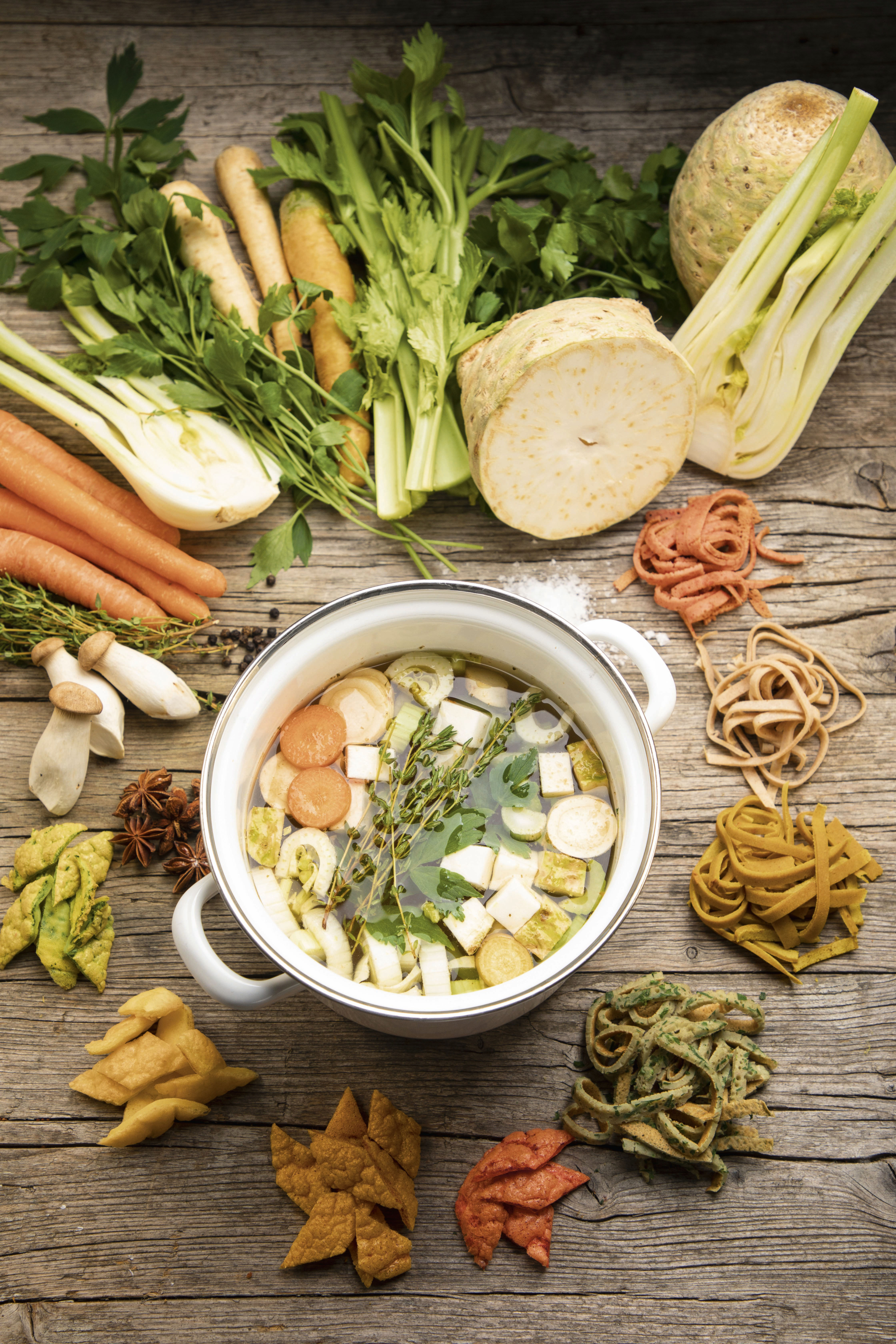
Supporting healthy digestion starts with understanding your gut. Discover which foods and daily habits can help – and how Mayr Medicine provides expert guidance.
A sluggish digestive system is more than just an uncomfortable feeling in your abdomen. When bowel movements become infrequent, your abdomen feels bloated or tight, excess gas develops, or you experience a persistent feeling of fullness after eating, your body is trying to tell you something. Many people then look for natural and effective ways to stimulate digestion, without immediately resorting to laxatives.
The gut, however, is highly individual. What works well for one person may aggravate symptoms in another. Rather than relying on trial and error with home remedies, the aim should be to support healthy digestion, restore regular bowel function, and understand why your digestive system has fallen out of balance in the first place.
It is also important to remember that digestive complaints are not always a sign of illness. They often arise when nutrition, hydration, physical activity, stress levels and lifestyle habits no longer meet the body’s individual needs.
This is where Mayr Medicine takes a different approach. Rather than viewing digestion in isolation, it recognises gut health as the foundation of energy, metabolism, overall wellbeing and long-term vitality.

Verdauung anregen: das Wichtigste in Kürze
- A sluggish digestive system is a sign. The key is not to force the bowels to work, but to understand why your digestive rhythm has become disrupted.
- Hydration, warmth and movement provide the foundation. Warm water in the morning, adequate fluid intake and gentle physical activity can help support healthy digestion.
- Fibre can help – when introduced correctly. Vegetables, oats, wholegrains, linseeds and psyllium husks may support bowel function, but they should be introduced gradually and always accompanied by sufficient fluids.
- Digestion begins before food reaches the gut. Chewing thoroughly, eating slowly and maintaining regular mealtime routines help ease the workload on the digestive system and support a natural digestive rhythm.
- Persistent or unusual symptoms should always be medically assessed. Severe abdominal pain, blood in the stool, unexplained weight loss, fever or sudden changes in bowel habits should be evaluated by a healthcare professional.

First steps when your digestion slows down
If you are looking to support healthy digestion, it is best to begin with simple, low-risk measures. These can gently encourage normal bowel function without placing unnecessary strain on your digestive system.
Adequate hydration is essential for healthy bowel function. When your body does not receive enough fluids, stools can become harder and more difficult to pass, placing greater strain on the digestive system.
A glass of warm water first thing in the morning may help gently stimulate digestion. Maintaining good hydration throughout the day is equally important. Water and unsweetened herbal teas are ideal choices. If you increase your intake of fibre-rich foods such as linseeds, psyllium husks or wholegrains, it is especially important to drink enough fluids. Without sufficient water, bulking fibres can actually make constipation worse.
Regular physical activity can help encourage healthy bowel movements. Even a short walk after a meal may reduce bloating, feelings of fullness and digestive sluggishness. There is no need for strenuous exercise—consistency is what matters most.
Gentle activities such as walking, light mobility exercises or stretching can all support digestive health. The gut benefits from a lifestyl
According to the Max Rubner Institute, dietary fibre is one of the most important nutritional components for healthy digestion. It helps increase stool bulk, retains water and supports normal bowel function. Good sources of fibre include vegetables, oats, wholegrains, pulses, nuts, seeds, linseeds, psyllium husks, berries, apples, pears and selected dried fruits. However, fibre should always be introduced gradually. A sudden increase can lead to bloating, abdominal discomfort or excess gas. For people with a sensitive digestive system, cooked vegetables are often better tolerated than large amounts of raw produce.
Digestion begins in the mouth. Eating too quickly, swallowing large mouthfuls or eating while distracted places additional strain on the stomach and intestines. Thorough chewing supports saliva production, makes food easier to digest and prepares it for the next stages of the digestive process. For this reason, mindful chewing is a fundamental principle of Mayr Medicine. It is far more than a simple habit—it is an effective way to help restore a calmer, more balanced digestive rhythm.
Your digestive system thrives on routine. Many people ignore the natural urge to have a bowel movement because of busy daily schedules, which over time may contribute to sluggish bowel function. A consistent morning routine can be beneficial: get up, drink a glass of warm water, enjoy breakfast without rushing and allow enough time for the toilet. Avoid straining, as bowel movements should occur naturally rather than being forced. Warmth may also help relieve abdominal tension. A hot water bottle or heated wheat bag can provide soothing comfort, while a gentle clockwise abdominal massage may further support bowel awareness and comfort, as suggested by a meta-analysis by Guo et al. (2024), published in Medicine.
This overview shows: Biological age cannot be fully understood through a single measurement. Only by considering multiple indicators together can a more meaningful assessment of overall health be made.
Cooked carrots, courgettes, fennel, pumpkin, spinach and potatoes
Provide fibre, fluids, minerals and plant compounds. When cooked, they are often easier to digest than raw vegetables, particularly for sensitive or sluggish digestion.
Raw vegetables
Rich in fibre and may help support bowel function. However, they can also cause bloating or abdominal discomfort in people with a sensitive digestive system.
Oats
Contain soluble fibre, which can increase stool bulk and support regular bowel movements. Introduce gradually into your diet.
Wholegrains
Their high fibre content helps promote bowel motility and may help prevent constipation. If your digestion is sensitive, increase your intake slowly.
Linseeds (flaxseeds)
Absorb water, increase stool bulk and may help make bowel movements easier. Always consume with plenty of fluids.
Psyllium husks
Expand by absorbing water in the gut, helping to regulate stool consistency and support bowel regularity. Adequate hydration and the correct dosage are essential.
Prunes
Naturally contain fibre and sorbitol, which may help promote bowel movements. Larger amounts may cause bloating.
Dried figs and apricots
Provide fibre and may gently stimulate bowel function. Start with small portions to assess tolerance.
Olive oil
Rich in healthy unsaturated fats and may make meals, particularly cooked vegetables, easier to digest.
Ginger
Can be enjoyed as a spice or herbal tea to support digestive comfort and help ease feelings of fullness.
Turmeric
A warming spice that can complement a digestion-friendly diet and is well suited to cooked meals.
Radicchio, chicory, artichokes, rocket and fresh herbs
Contain natural bitter compounds that may stimulate digestive secretions and support normal digestive function. They are not a substitute for medical treatment if symptoms persist.
Yoghurt, buttermilk and kefir
Depending on the product, they may contain live cultures and lactic acid bacteria that can help support a healthy gut microbiome.
Sauerkraut and fermented vegetables
Naturally fermented foods may contribute beneficial microorganisms to the gut microbiome. If you are prone to bloating, begin with small portions.
Drinks that support healthy digestion
Water is the foundation of healthy digestion. It helps keep stools soft and supports normal bowel function. Drinking regularly throughout the day—particularly in the morning and between meals—can gently encourage healthy digestion.
Herbal teas such as fennel, caraway, aniseed, peppermint and ginger have traditionally been used to support digestive comfort. They may help ease feelings of fullness and bloating. Coffee can stimulate bowel movements in some people, but it is not suitable for everyone, particularly those with a sensitive stomach, acid reflux or stress-related digestive symptoms.
Apple cider vinegar is another popular home remedy. However, the scientific evidence remains limited, and it should be used with caution. It may irritate the stomach lining and can worsen reflux or heartburn in susceptible individuals. If you choose to try apple cider vinegar, dilute it well, use only small amounts and pay close attention to how your body responds.
The traditional digestif after a meal is not an effective way to support digestion. Alcohol can place additional strain on the digestive system and should not be regarded as a remedy for improving digestive function.
Measuring biological age: Which tests and indicators are available?
Many people want to calculate or assess their biological age. A wide range of online calculators, self-assessments and questionnaires claim to provide an answer. These typically ask about lifestyle, diet, sleep, physical activity, smoking, alcohol consumption, stress, existing medical conditions and family history. While such tools can offer a useful starting point, they cannot replace a comprehensive medical assessment.
A meaningful evaluation of biological age requires measurable biomarkers rather than general lifestyle questions. Depending on the assessment, these may include blood biomarkers, inflammatory markers, blood glucose, insulin regulation, cholesterol levels, liver and kidney function, vitamin and mineral status, hormone levels, body composition, muscle mass, blood pressure, cardiovascular function and indicators of metabolic health.
Other aspects—such as immune function, vascular health, bone health and the body’s capacity for recovery—may also be considered, particularly when the aim is to identify age-related changes at an early stage.
Blood tests can therefore provide valuable insights. However, the key lies not only in which measurements are taken, but in how they are interpreted. Diagnostic data only become meaningful when they are viewed in context and translated into a clear understanding of an individual’s overall health.

Supporting digestion when you are constipated
Many people searching for ways to “stimulate digestion” are actually looking for relief from constipation. Medically, constipation is generally defined as infrequent bowel movements, hard stools, difficulty passing stools or the need to strain excessively during bowel movements. Common symptoms include hard or lumpy stools, excessive straining, a sensation of incomplete emptying, abdominal pressure, bloating, a feeling of fullness and pain during bowel movements.
For occasional constipation, simple measures such as staying well hydrated, regular physical activity, increasing fibre intake gradually, applying gentle warmth, abdominal massage and establishing a consistent toilet routine may help restore normal bowel function. However, if symptoms persist, develop suddenly or are accompanied by warning signs, medical advice should be sought. Laxatives may be appropriate for short-term relief in certain situations, but they should not be used regularly without medical guidance. Rather than forcing the bowel to work, the priority should be to understand and address the underlying cause of the problem.

Common causes of sluggish digestion
A sluggish digestive system rarely develops without a reason. In many cases, several factors contribute at the same time, including inadequate fluid intake, lack of physical activity, a low-fibre diet rich in refined carbohydrates, stress, insufficient sleep, travel, changes to daily routines or regularly ignoring the urge to have a bowel movement. Lifestyle also plays an important role. Irregular mealtimes, eating late in the evening, constant connectivity and a lack of time to rest can all disrupt the body’s natural digestive rhythm. Often, it is not a single food that causes the problem, but the overall pattern of daily habits.
Certain medications and underlying medical conditions can also contribute to constipation. For this reason, recurrent or unusual digestive symptoms should not be managed through self-treatment alone but should be assessed by a healthcare professional.
When to seek medical advice
Occasional sluggish digestion is common and is often not a cause for concern. However, certain symptoms should always be taken seriously. Medical assessment is recommended if you experience severe or worsening abdominal pain, blood in the stool, fever, vomiting, unexplained weight loss, a sudden change in bowel habits, persistent constipation, a very hard or swollen abdomen, or an inability to pass stools or wind.
If constipation keeps recurring or you find yourself relying on laxatives regularly, it is important to seek medical advice to identify and address the underlying cause.

Der Darm als unterschätzter
Schlüssel biologischer Alterung
Mayr Medicine: Understanding your digestive system
Mayr Medicine does not view digestion as an isolated bodily function, but as one of the fundamental pillars of health, energy and long-term vitality. The digestive system is closely connected to nutrition, metabolism, immune function, the gut microbiome, stress regulation and the body’s ability to recover and regenerate. At the Original Mayr Medical Resort on Lake Wörthersee, care therefore begins not with a standard recommendation, but with a simple question: What is your body really telling you?
Comprehensive medical consultations, thorough diagnostic assessment and personalised support help uncover the underlying causes of digestive concerns. Which foods may be placing unnecessary strain on your digestive system? Which healthy routines are missing? How do stress, sleep, physical activity and metabolism influence your symptoms? And which complaints are functional, rather than signs of an underlying condition that requires further investigation?
From the perspective of Mayr Medicine, supporting digestion is not about forcing the bowels to work. It is about relieving unnecessary strain, restoring balance and helping your digestive system return to its natural rhythm.
Mayr Cuisine: A nutritional approach that supports digestive health
Mayr Cuisine is a cornerstone of the Mayr Medicine philosophy. Rather than being a short-term diet or a detox programme, it is a medically inspired approach to nutrition designed to support and relieve the digestive system. The focus is on digestibility, ingredient quality, preparation methods, meal timing and mindful chewing. A meal plan based on Mayr principles considers not only what you eat, but also how, when and in which combinations foods are consumed.
This may include easily digestible vegetable-based dishes, high-quality oils such as extra virgin olive oil, carefully selected herbs, naturally bitter foods, warm meals and well-tolerated spices such as ginger, caraway or turmeric. Mayr Cuisine is based on a simple principle: a meal is more than a source of calories. It is information for the body. The foods you choose can either nourish and energise you or place unnecessary strain on your digestive system. They can help restore balance and support healthy digestion—or contribute to digestive discomfort and sluggishness.
How a stay at the resort can support healthy digestion
A stay at the Original Mayr Medical Resort provides something that is often missing from everyday life: time, tranquillity, expert medical care, structured nutrition, purposeful movement, restorative therapies and personalised attention. The first step is understanding. Through comprehensive medical consultations and diagnostic assessment, a clearer picture emerges of the factors influencing your digestive health. Based on these insights, nutrition, treatments, physical activity and recovery are tailored to your individual needs.
The combination of Mayr Medicine, Mayr Cuisine and personalised medical guidance can help reduce strain on the digestive system, increase awareness of your body’s signals and establish healthier long-term habits.
The aim is not to offer a quick fix. Instead, it is to provide lasting understanding and practical guidance. Which foods support your wellbeing? Which daily habits may be slowing your digestion? How does stress affect your gut? And which routines can you continue once you return home? A stay at the resort can become the starting point for a deeper understanding of your body and a more sustainable approach to digestive health.

Conclusion: Supporting healthy digestion starts with understanding your body
When people look for ways to support digestion, they are often seeking quick relief. Measures such as staying well hydrated, regular movement, dietary fibre, warmth, gentle abdominal massage, linseeds, psyllium husks, dried fruits, ginger, caraway, turmeric, bitter foods and olive oil can all contribute to healthy bowel function as part of a balanced diet. However, long-term digestive health is not built on a single home remedy—it begins with understanding.
Mayr Medicine views the digestive system as one of the key foundations of energy, vitality and lasting health. Mayr Cuisine translates this philosophy into a nutritional approach designed to support and relieve the digestive system while providing practical guidance for everyday life. At the Original Mayr Medical Resort, this is combined with expert medical care, creating an environment where simple digestive advice becomes a deeper understanding of your own body.
Health does not begin with treating symptoms. It begins with understanding them.


Frequently asked questions about supporting healthy digestion
Simple measures such as drinking a glass of warm water, taking a gentle walk after meals, staying well hydrated, trying a gentle abdominal massage and establishing a relaxed toilet routine can all help support healthy digestion. If symptoms persist or worsen, medical advice should be sought.
Fibre-rich foods—including vegetables, oats, wholegrains, linseeds, psyllium husks, berries, apples, pears, dried fruits and prunes—can help support regular bowel function. Some may also have a mild natural laxative effect. To minimise bloating and discomfort, increase your fibre intake gradually and ensure you drink enough fluids.
Naturally bitter foods such as chicory, radicchio, artichokes, rocket and fresh herbs may help stimulate digestive secretions and support normal digestive function. However, they are not a substitute for medical assessment if symptoms persist. Current clinical evidence in humans remains limited and inconsistent, as highlighted in a review published in Nutrients.
For occasional constipation, simple lifestyle measures—including adequate hydration, regular physical activity, gradually increasing fibre intake, gentle warmth and consistent daily routines—may help restore normal bowel function. If constipation persists, develops suddenly or is accompanied by severe pain, blood in the stool or unexplained weight loss, it should be assessed by a healthcare professional.
References
Max Rubner Institute. Dietary fibre – Scientific assessment. 2026. Available at: https://www.mri.bund.de/de/veroeffentlichungen/wissenschaftliche-einordnung/ballaststoffe/
Rezaie P, Bitarafan V, Horowitz M, Feinle-Bisset C. Effects of Bitter Substances on GI Function, Energy Intake and Glycaemia – Do Preclinical Findings Translate to Outcomes in Humans? Nutrients. 2021;13(4):1317. Available at: https://pmc.ncbi.nlm.nih.gov/articles/PMC8072924/
Guo X, Zhang Y, Wang X, Liu Y, Li H. Safety and efficacy of manual and automated abdominal massage for the treatment of chronic constipation: A systematic review and meta-analysis. Medicine. 2024;103(4):e36953. Available at: https://pubmed.ncbi.nlm.nih.gov/38262653/
Meshkinpour H, Selod S, Movahedi H, Nami N, James N, Wilson A. Effects of regular exercise in the management of chronic idiopathic constipation. Digestive Diseases and Sciences. 1998;43(11):2379–2383. Available at: https://pubmed.ncbi.nlm.nih.gov/9824122/